
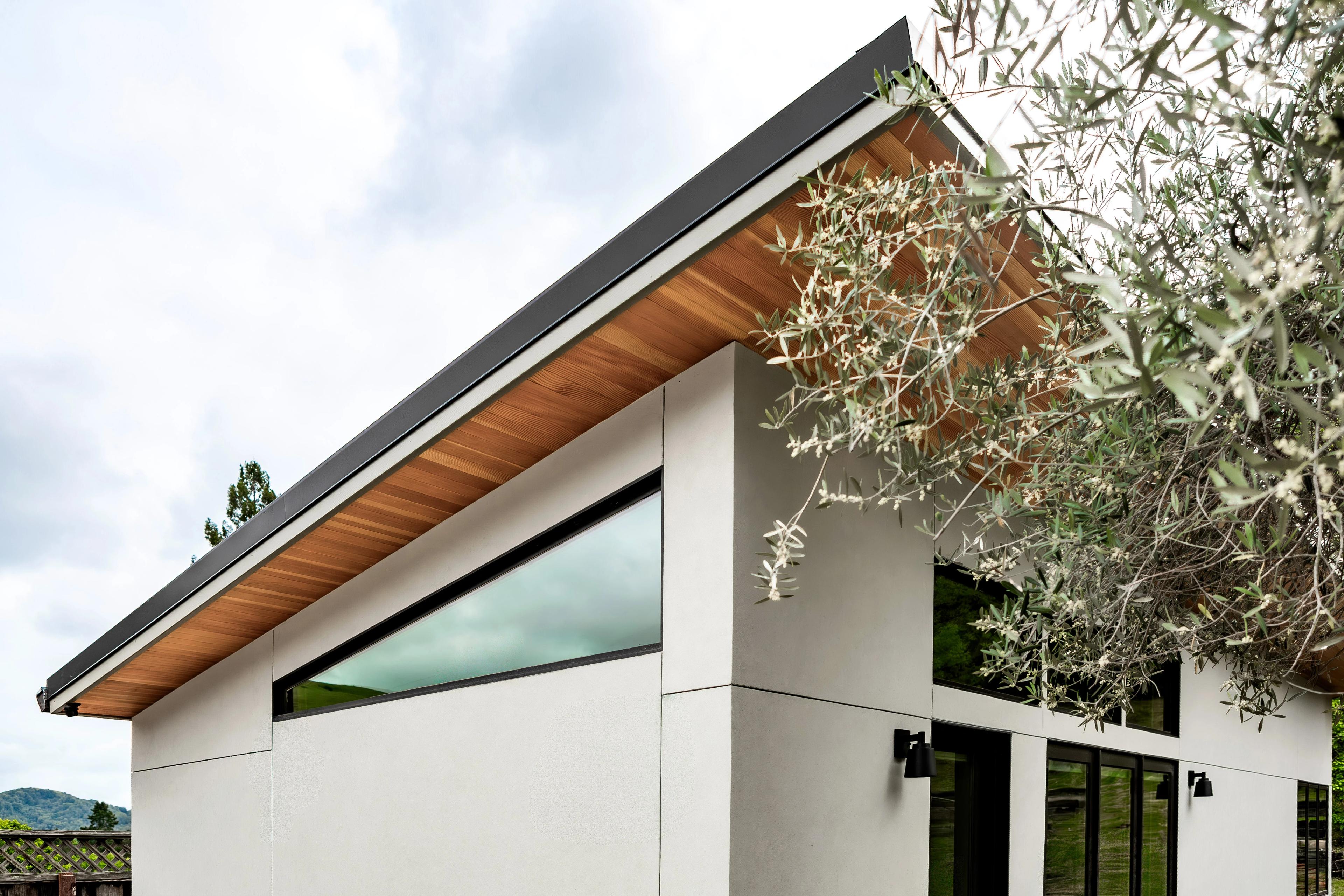
San Jose has quietly become one of the easiest large cities in California to build an ADU in. It was among the first in the state to publish preapproved ADU plans, its building division publishes a first-review target of roughly twenty business days for custom designs, and state law now shields smaller units from impact fees entirely. None of that makes an ADU cheap. It does make the budget more predictable than almost anywhere else in the Bay Area, and predictability is worth real money.
Construction cost by ADU type
| ADU type | Typical all-in construction range | Notes |
|---|---|---|
| JADU (within existing home, up to 500 sq ft) | $40K to $120K | Shares systems with the main house; cheapest path to a legal second unit |
| Garage conversion | $100K to $200K | Structure exists; budget swings on foundation condition and utility upgrades |
| Attached ADU (addition) | $200K to $300K | New construction tied into the existing home |
| Detached new ADU | $250K to $400K | Full standalone build: foundation, envelope, systems, finishes |
On top of construction, plan for soft costs of roughly 12 to 18 percent: design, structural engineering, Title 24 energy compliance, surveys where required, and permit fees. That ratio holds for San Jose the way it does across the region.
What the City of San Jose charges
City permit costs are a small slice of the total, and San Jose publishes its fee schedule. Recently published figures put combined Building Division fees, meaning plan review, permit issuance, and inspections, at roughly $3,300 for a new ADU up to 750 square feet, and around $5,200 for units between 751 and 1,200 square feet. The schedule updates each fiscal year, so confirm the current numbers with the City before budgeting.
The bigger line item that is not there: impact fees. Under California law, cities may not charge development impact fees on ADUs with less than 750 square feet of livable space. Keep your unit under that threshold and the fee conversation gets dramatically shorter. Above it, impact fees apply proportionally, so the jump past 750 square feet should be a deliberate decision, not an accident of layout.
The San Jose advantage: preapproved plans and fast review
San Jose maintains a list of city-reviewed preapproved ADU plans from multiple designers. Use one, and the structural review is already done: per the City's program materials, the permit can be issued at the scheduled plan review meeting itself when your site-specific documents are complete. You license the plan from its designer, pay the City's fees, and skip the longest part of the process.
Going custom instead buys you a design shaped to your lot and your life, which is usually why people call us. San Jose's published target for a first building review on a custom ADU is about twenty business days, with subsequent rounds faster. Complete, coordinated drawings are what keep you inside one or two review cycles; incomplete sets are how a fast city becomes a slow project.
What actually moves the number in San Jose
- Utility connections. Distance from the main house's panel and sewer lateral to the ADU is one of the biggest hidden variables. A far corner of the lot can add tens of thousands in trenching and upgrades.
- Panel capacity. Many San Jose homes carry 100 amp service; an all-electric ADU under Title 24 often needs a panel upgrade unless the design works around it.
- Slope and soil. Flat lots in Willow Glen price differently than hillside lots toward the Almaden foothills, where foundations and drainage carry real engineering.
- Size discipline. Staying under 750 square feet avoids impact fees; staying modest in footprint keeps the structure inside simpler review paths.
The bottom line
A realistic all-in budget for a detached new ADU in San Jose, with design, engineering, permits, and construction, lands between roughly $290K and $460K depending on size and site. A garage conversion done well typically lands between $120K and $240K all-in. Those are big numbers, and they buy an asset in one of the strongest rental markets in the country, in a city that has done more than most to keep the approval path short.