
Your tenant improvement architect
for the Bay Area.
We design commercial interiors that perform: restaurants, retail, offices, and adaptive reuse across the San Francisco Bay Area. Every tenant improvement is designed, documented, and permitted from first walkthrough to final inspection.
TI Services
One tenant improvement architect for every type of commercial interior.
Each project type has its own requirements, timelines, and permit pathways. We specialize in all of them.
Restaurant & Food Service TI
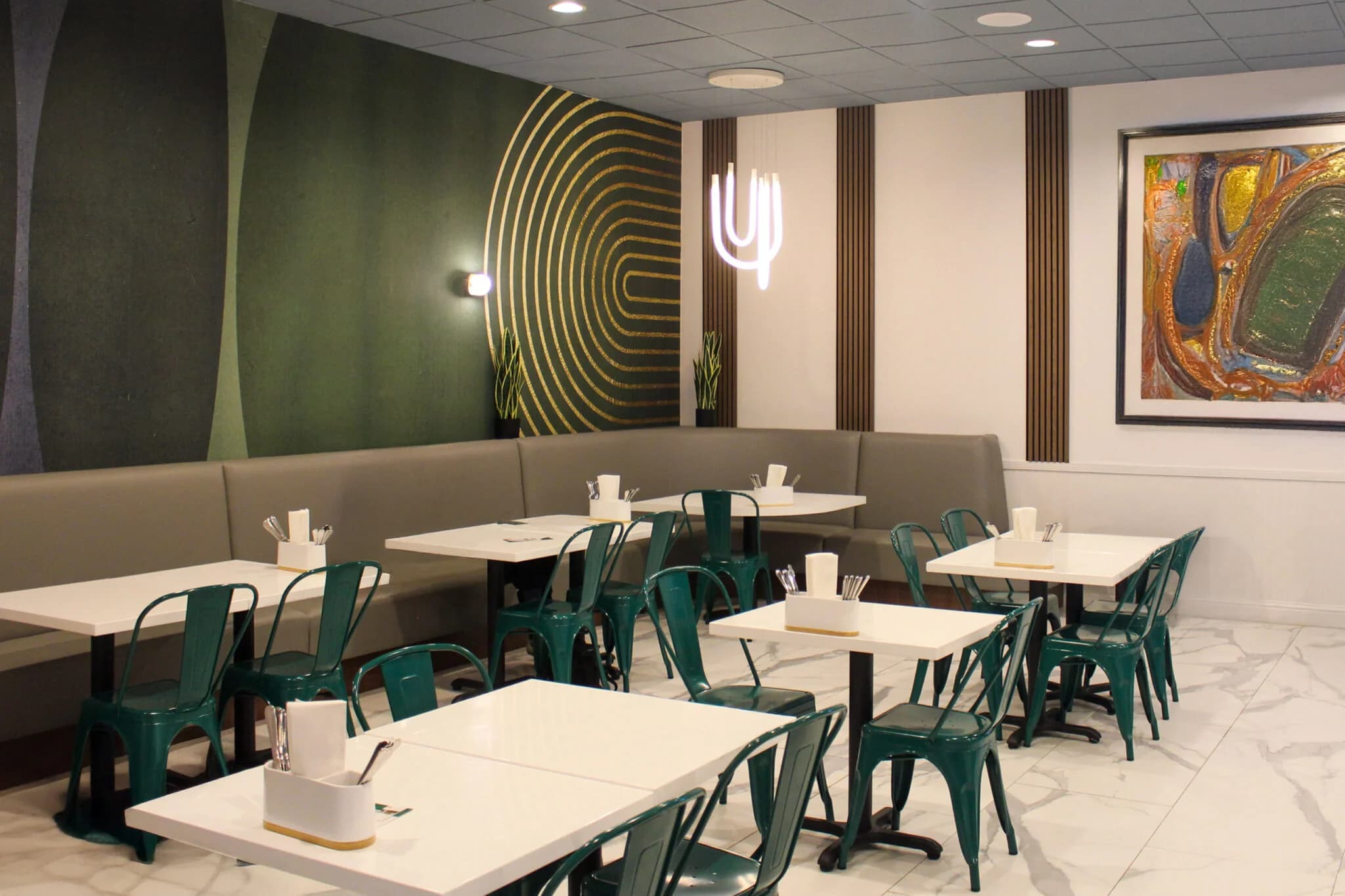
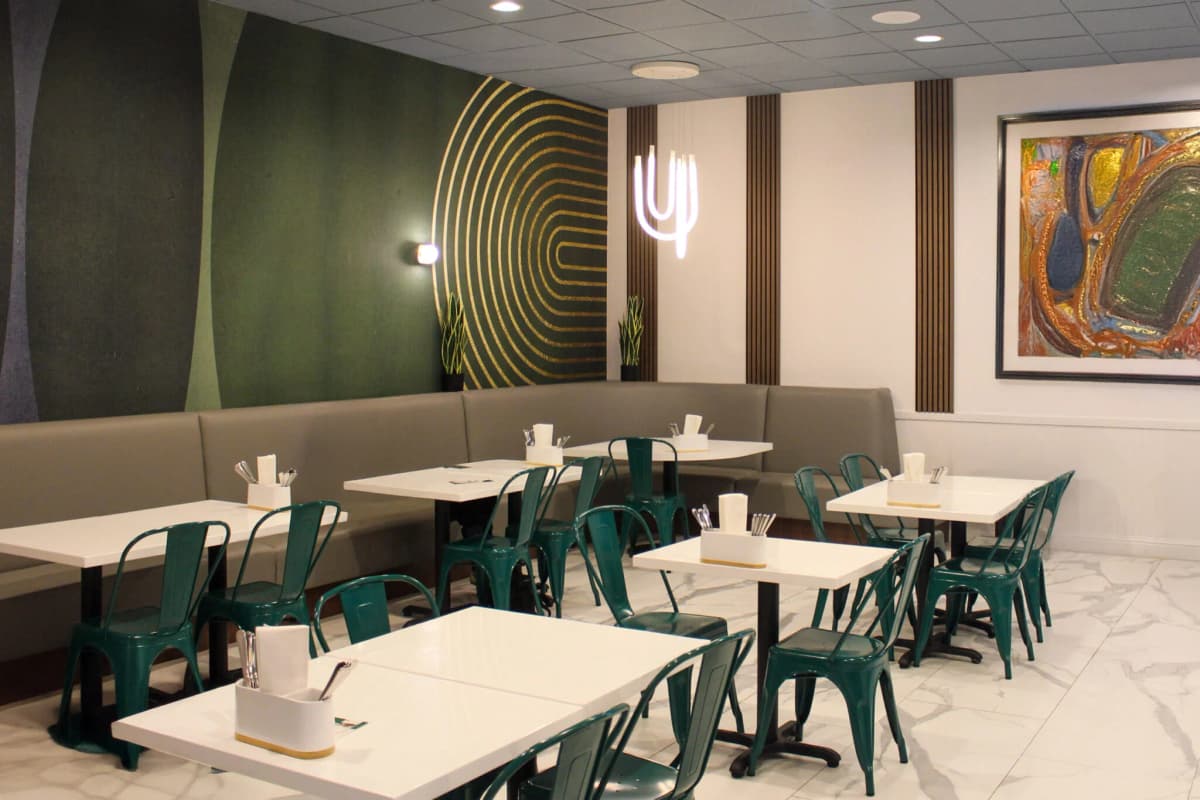
Full-service restaurant design from kitchen to front-of-house. We coordinate exhaust hoods, grease traps, health department requirements, ADA restrooms, and guest flow — so your space works on opening day.
Learn more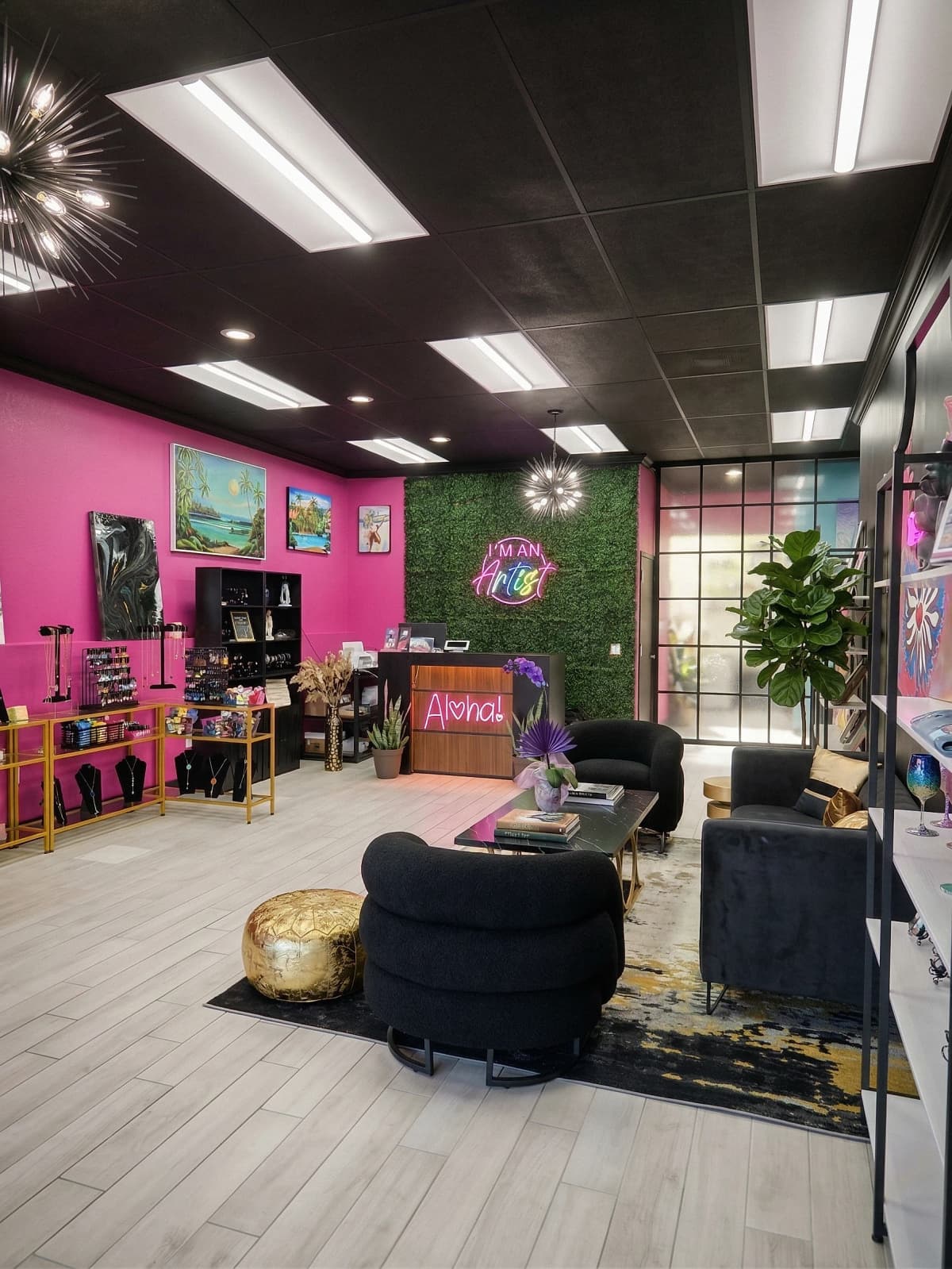
Retail & Office Build-Out
Storefront refreshes, office build-outs, coworking conversions, and medical/dental clinics. We design interiors that maximize your TI allowance and pass plan check on the first try.
Learn more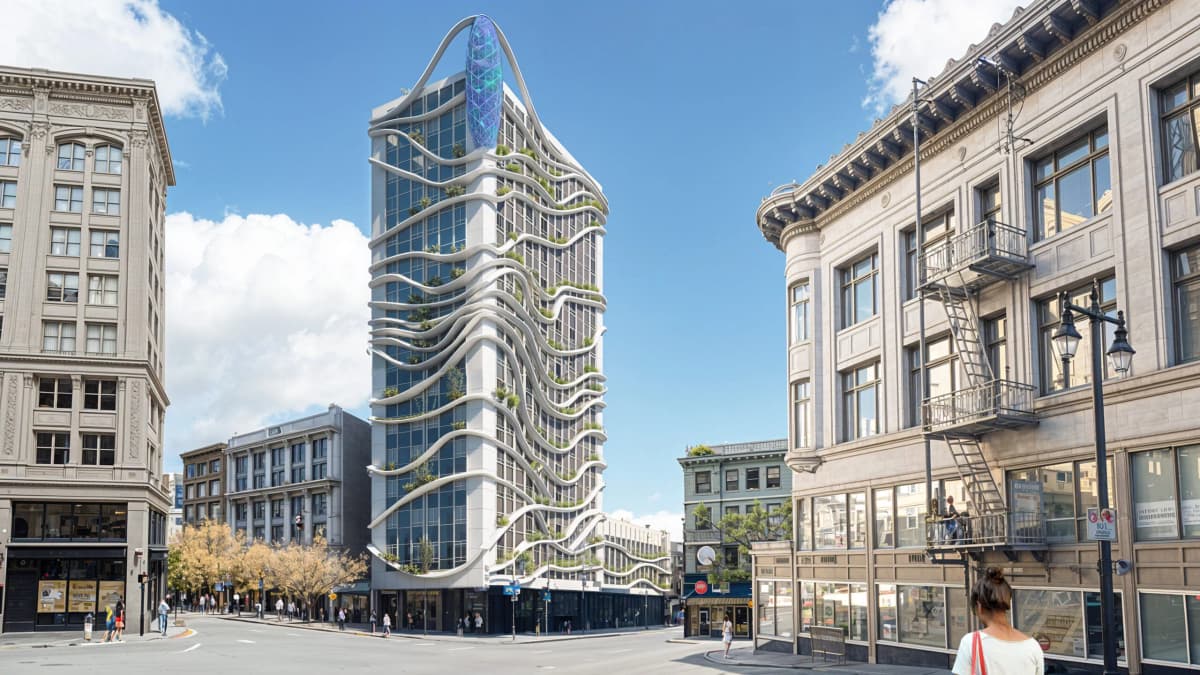
Adaptive Reuse & Change of Use
Converting warehouses to restaurants, offices to retail, or residential to commercial. We navigate zoning changes, structural realities, and complex permit pathways that come with changing a building's purpose.
Learn moreProject Types
What each type of TI involves.
Different businesses face different design, code, and permitting challenges. Here is what to expect for the most common tenant improvement categories we handle.
Restaurant and food service tenant improvements
Restaurant TI is the most complex category of commercial interior work. Beyond standard architectural design, a restaurant build-out involves commercial kitchen layout, exhaust hood specification (Type I for grease-laden cooking, Type II for heat and steam), grease interceptor sizing and placement, health department plan review, and fire suppression coordination. The kitchen layout must balance operational efficiency with code-mandated clearances, and the front-of-house must deliver the brand experience while meeting occupancy limits, accessibility requirements, and egress paths. We coordinate with kitchen equipment vendors, MEP engineers, and health department reviewers simultaneously to keep the project moving. Our restaurant TI experience spans fast-casual concepts, full-service dining, bars, cafes, and ghost kitchens.
Restaurant TI detailsRetail tenant improvements
Retail TI projects center on customer experience, brand identity, and efficient merchandising. Design priorities include storefront presentation, interior circulation, display fixture integration, point-of-sale placement, and back-of-house storage. Code requirements for retail spaces focus on occupancy classification, accessible path of travel from the public way through the sales floor to fitting rooms and restrooms, and energy-compliant lighting that also serves the merchandising strategy. For multi-tenant retail buildings, we coordinate with the landlord on storefront standards, sign criteria, and shared utility infrastructure. Retail build-outs are often on tight timelines driven by lease commencement dates or seasonal openings, so we design for efficient permitting and straightforward construction.
Retail TI detailsOffice tenant improvements
Office TI ranges from basic demising walls and carpet to full build-outs with private offices, conference rooms, break rooms, server rooms, and reception areas. The key design decisions involve balancing open workspace with private space, acoustic separation between meeting rooms and work areas, HVAC zoning for comfort and energy efficiency, and electrical and data infrastructure to support modern technology needs. ADA compliance in office spaces includes accessible routes throughout, compliant restrooms, proper door clearances and hardware, and accessible common areas. For coworking conversions, we also address higher plumbing fixture counts, shared kitchen facilities, and assembly occupancy requirements for event spaces. We design offices that function well on day one and accommodate growth without requiring another round of construction.
Adaptive reuse and change of use
Adaptive reuse projects convert existing buildings to new purposes — warehouses to restaurants, offices to retail, industrial spaces to creative studios, or residential to commercial. These projects involve the most complex code analysis because changing a building's occupancy classification triggers a cascade of requirements: structural evaluation for new loads, seismic upgrade assessment, new fire and life safety systems, full accessibility upgrades, and zoning confirmation. In the Bay Area, adaptive reuse is increasingly common as tenants seek unique, character-rich spaces in converted industrial buildings and historic structures. We navigate the additional regulatory layers — zoning variances, conditional use permits, historic preservation review — that make these projects viable. The reward is a space with authenticity and character that no ground-up build can match.
Adaptive reuse detailsTransformations
Before and after.
Every TI project starts with an empty or outdated space. Here's what we turn them into.
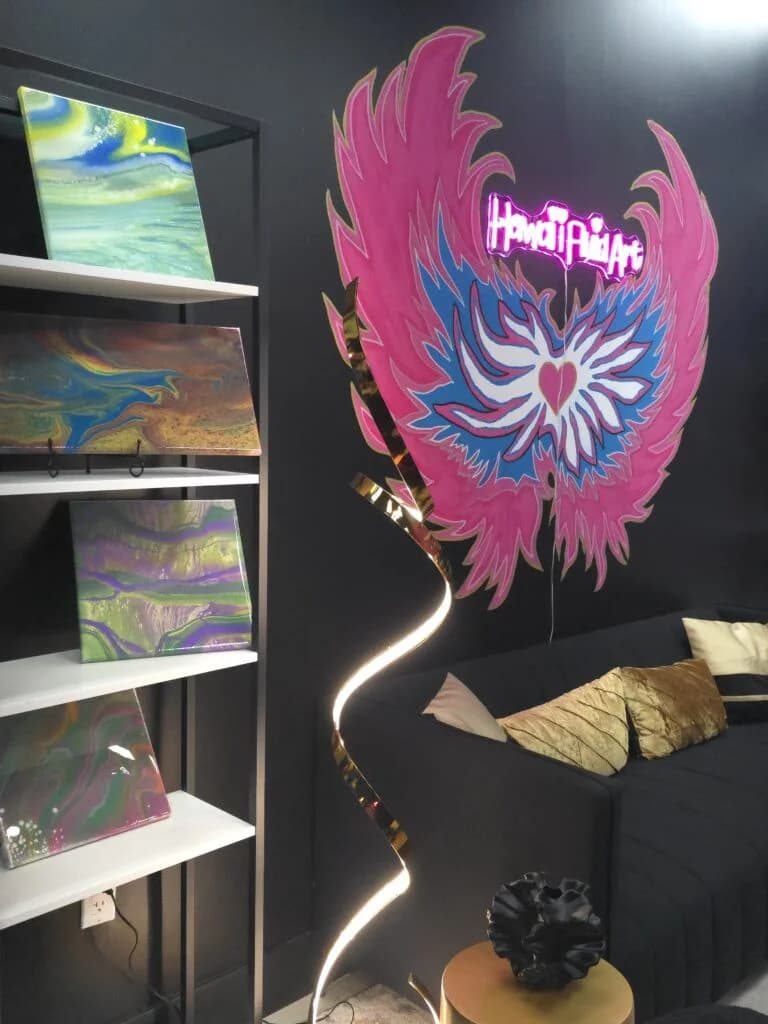 BeforeAfter
Placeholder Project Name
Restaurant TI — 2,400 SF gut renovation in San Francisco. Completed in 4 months from lease signing to opening day.
How It Works
Four steps. No guesswork.
A clear, linear process designed to keep your TI project on budget and on schedule — from lease signing to opening day.
Pre-Lease Consultation
Before you sign a lease, we visit the space and assess existing conditions, code requirements, and potential deal-breakers. This 1–2 hour walkthrough can save months of surprises.
Free for qualified projectsDesign & Space Planning
We develop your layout, material palette, and construction documents — all designed to maximize your TI allowance, minimize change orders, and reflect your brand identity.
2–4 weeks typicalPermitting & Approvals
We prepare and submit permit drawings, respond to plan check comments, and coordinate with MEP engineers, structural consultants, and city reviewers to keep approvals moving.
4–12 weeks depending on cityConstruction Administration
We stay involved through build-out — answering RFIs, reviewing submittals, conducting site visits, and ensuring the built result matches the design intent down to the last detail.
Through final inspectionInside the Process
What actually happens at each stage.
A tenant improvement is a coordinated effort between architect, tenant, landlord, contractor, engineers, and city agencies. Here is what each phase involves and why it matters.
Initial consultation and space assessment
Every TI project starts with understanding the space as it exists today. We conduct a thorough site visit to document existing conditions — wall locations, ceiling heights, structural elements, mechanical systems, plumbing routing, and electrical capacity. For restaurant projects, we evaluate whether the space has adequate gas service, grease interceptor capacity, and roof access for exhaust penetrations. For office and retail work, we assess floor loading, HVAC zoning, and accessibility paths. This assessment is the foundation for every decision that follows. We also review your lease to understand TI allowance terms, landlord approval requirements, and any restrictions on modifications. If you have not signed a lease yet, this is the ideal time to involve us — a pre-lease walkthrough can identify deal-breakers before you commit.
Design development and construction documents
With site conditions documented, we move into design. This phase produces the drawings your contractor will build from and the city will review for permit approval. For most TI projects, our deliverables include architectural floor plans, reflected ceiling plans, interior elevations, finish schedules, door and hardware schedules, and construction details. We coordinate with MEP engineers (mechanical, electrical, plumbing) to integrate their systems into the design. Structural engineering is brought in when walls are being removed, new openings are cut, or equipment loads require it. For restaurant projects, we also prepare kitchen equipment plans, hood schedules, and plumbing fixture diagrams. The goal of this phase is a complete, coordinated set of documents that answers every question before construction begins — reducing RFIs, change orders, and delays during build-out.
Permit coordination with the city
Permitting is where many TI projects stall. Each Bay Area jurisdiction has its own submission requirements, review timelines, and plan check priorities. We prepare the full permit application package — drawings, calculations, energy compliance forms (Title 24), and agency-specific cover sheets. We submit to the building department and track the review through each discipline: architectural, structural, mechanical, electrical, plumbing, fire, and accessibility. When plan check comments come back, we respond promptly with revised drawings and written responses that address each comment directly. For restaurant projects, we also coordinate parallel reviews with the health department, fire department, and sometimes the local sewer district for grease interceptor permits. Our 98% first-pass approval rate comes from submitting thorough, code-compliant documents — not from shortcuts.
Construction administration and close-out
Once the permit is issued and your contractor begins work, our role shifts to construction administration. We review contractor submittals to confirm materials and equipment match the specifications. We respond to RFIs (requests for information) when field conditions differ from what the drawings anticipated. We conduct periodic site visits to verify the work matches the design intent — checking everything from wall framing locations to finish installations. For complex projects, we attend progress meetings with the contractor and owner to resolve issues in real time. At project completion, we assist with final inspection coordination, helping ensure the space passes all city inspections and receives its certificate of occupancy. For restaurants, this includes health department final inspection and fire department sign-off. The project is not done until you have the approvals you need to open your doors.
Budget Planning
What does a TI project cost?
Bay Area construction costs vary by scope, location, and building condition. Here are realistic ranges to help you plan.
Paint, flooring, lighting, minor fixture updates. No wall moves or plumbing changes.
New layout, some MEP modifications, ADA upgrades, new finishes throughout.
Complete interior demo, new walls, full MEP, kitchen exhaust, structural modifications.
Ranges are for Bay Area projects as of 2024 and include design and permit fees. Actual construction costs depend on contractor, materials, and site conditions. We provide detailed cost guidance specific to your project during the design phase.
Understanding Costs
What drives tenant improvement costs.
Price per square foot is a starting point, not an answer. Here are the factors that actually determine what your project will cost.
Scope of work: cosmetic vs. structural
The single largest cost driver is how deep the renovation goes. A cosmetic refresh — new paint, flooring, lighting, and minor fixture updates — requires minimal engineering and can often be permitted with a simplified plan set. A partial renovation that involves moving walls, adding plumbing fixtures, or modifying HVAC zones requires full engineering coordination and more detailed construction documents. A gut renovation that strips the space to its shell and rebuilds everything — new walls, full MEP systems, structural modifications — is the most document-intensive and construction-costly scope. Understanding where your project falls on this spectrum is the first step in realistic budgeting.
Building code compliance
California's building codes add layers of requirements that directly affect cost. Title 24 energy compliance means new lighting must meet strict efficiency standards, HVAC systems must be properly sized and controlled, and building envelope performance may need upgrading. ADA and CBC accessibility requirements trigger path-of-travel upgrades when renovation costs exceed thresholds — this can mean new restrooms, ramps, door hardware, and signage that were not in your original scope. Seismic bracing requirements for suspended ceilings, mechanical equipment, and piping add cost in older buildings. Fire sprinkler modifications are triggered by changes in occupancy or layout. These are not optional line items — they are code requirements that affect every commercial renovation in the state.
Mechanical, electrical, and plumbing
MEP work is often the largest portion of construction cost in a TI project, especially for restaurants and medical facilities. Adding new plumbing fixtures means routing waste and supply lines, sometimes through concrete slabs. HVAC modifications — new ductwork, additional zones, exhaust systems — require engineering calculations and coordination with the building's existing systems. Electrical work includes not just outlets and lighting but also panel capacity, which in older buildings may require a service upgrade from the utility. For restaurant projects, kitchen exhaust hoods, makeup air systems, and grease interceptors represent significant MEP cost centers. We coordinate all MEP engineering early in design so there are no surprises when bids come in.
Permits, timeline, and material selections
Permit fees vary significantly across Bay Area cities — San Francisco charges fees based on project valuation that can run into thousands of dollars for larger projects. Permit review timelines directly affect your carrying costs: every month you are paying rent without operating is money spent. Expedited review is available in some jurisdictions for an additional fee. Material selections also drive cost in both directions. Luxury finishes, custom millwork, and imported tile increase budgets. But thoughtful material choices can reduce cost without reducing quality — we help clients identify where to invest and where to save, ensuring the TI allowance goes as far as possible.
TI Portfolio
Recent tenant improvement projects.
A selection of completed and in-progress TI work across the Bay Area.
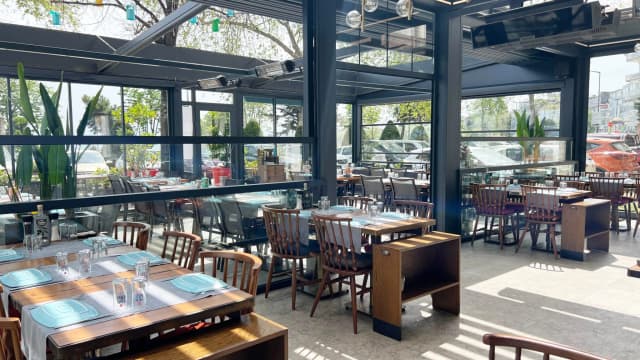
Tabya Restaurant
A modern Turkish restaurant with open kitchen, custom bar, and warm material palette. Full permit coordination with health department and fire marshal.
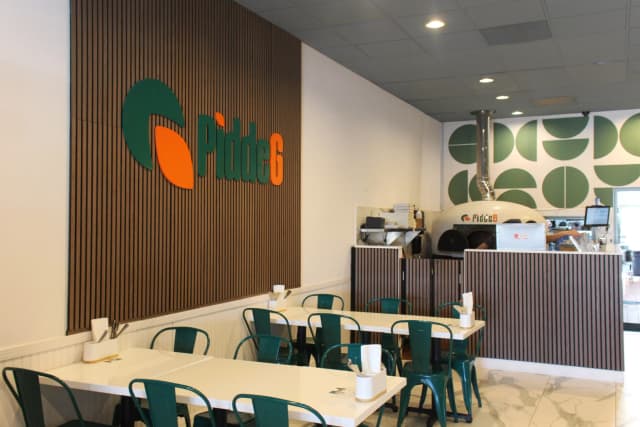
PiddeG Mediterranean Eatery — Walnut Creek
Walnut Creek Turkish-Mediterranean restaurant at the Encina Grande center. Efficient kitchen layout, branded interior, pide oven as focal point, and ADA-compliant restrooms. Designed and permitted in under 6 weeks. 4.8 stars / 160+ Google reviews post-opening.
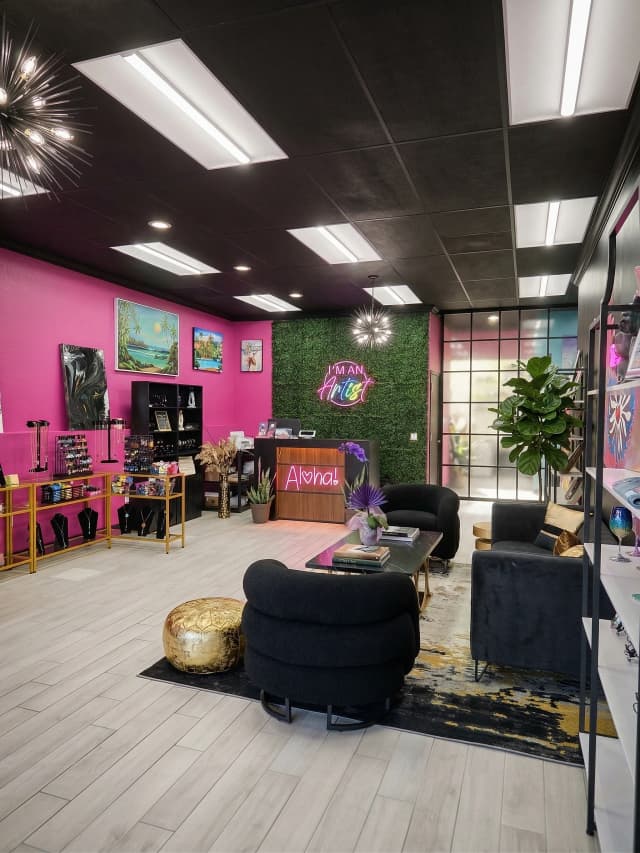
Hawaii Fluid Art
Tenant improvement for the Hawaii Fluid Art franchise — workshop for pour-painting classes, retail shop for art supplies, and gallery for completed works in one vibrant 1,800 SF footprint. Brand-standard hot pink and teal palette, neon signage, illuminated storefront.
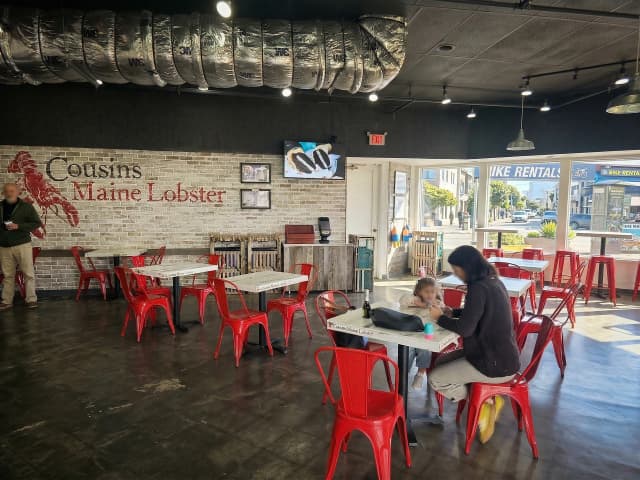
Pier 41 Restaurant
High-profile waterfront dining venue. Complex permit coordination with Port of SF, fire department, and health department.
Client Stories
What TI clients say.
“YCD helped us navigate a nightmare permit situation in SF. We were open within 4 months of signing our lease.”
“They maximized our TI allowance and delivered drawings that the contractor could actually build from without constant questions.”
“The pre-lease walkthrough saved us from signing a space that would have needed $80K in structural work we hadn't budgeted for.”
Local Expertise
Tenant improvements in the Bay Area.
The Bay Area is one of the most complex markets for commercial renovation. Here is what makes it different and why local experience matters.
Navigating Bay Area permitting
The San Francisco Bay Area is not a single permit jurisdiction — it is dozens of cities, each with its own building department, review process, and interpretation of the California Building Code. San Francisco's DBI (Department of Building Inspection) processes thousands of commercial permits annually, with review timelines ranging from over-the-counter approval for minor work to 16 or more weeks for full restaurant build-outs. Oakland's Planning and Building Department has streamlined review for small commercial projects but requires full plan check for change-of-use applications. Palo Alto adds architectural review board oversight for projects in its downtown zone. We have submitted permits in every major Bay Area jurisdiction, and we understand the specific requirements, reviewer expectations, and procedural nuances that affect approval timelines. This local knowledge directly translates to faster permits and fewer correction cycles.
Working with landlords on tenant improvements
In most commercial leases, the landlord retains approval authority over tenant improvements. This means your design needs to satisfy not just the city's code requirements but also the landlord's building standards, insurance requirements, and long-term property concerns. We coordinate with landlord representatives throughout the design process — submitting drawings for review, addressing their comments, and ensuring our work aligns with the building's base systems. Common landlord concerns include roof penetrations for exhaust systems, structural modifications, storefront changes, and mechanical equipment placement. Proactive landlord coordination prevents redesign after permits are already in review. For multi-tenant buildings, we also coordinate with the building's property management to schedule work around other tenants' operations.
Common Bay Area building types
The Bay Area's commercial building stock spans more than a century of construction. We regularly work with Type III (wood-frame over retail podium) mixed-use buildings, Type V wood-frame commercial strips, Type I and II steel and concrete high-rises, unreinforced masonry buildings in historic districts, and converted warehouse and industrial spaces. Each building type presents specific challenges: older masonry buildings may require seismic upgrades when occupancy changes, wood-frame buildings have fire separation requirements between tenants, and concrete structures complicate plumbing and electrical routing. Understanding the structural and code implications of your building type is essential before design begins — it affects layout options, construction cost, and permit pathway.
Local code requirements
Beyond the California Building Code, Bay Area jurisdictions enforce local amendments and additional requirements. San Francisco's Green Building Ordinance mandates specific sustainability measures for commercial interiors. Several cities require separate water efficiency calculations. Seismic retrofit ordinances in San Francisco and Oakland can be triggered by certain change-of-use applications. The Bay Area Air Quality Management District (BAAQMD) has authority over commercial kitchen exhaust systems. Local fire departments enforce specific occupancy and egress requirements that may differ from the base code. Health departments in each county have their own plan review process for food service establishments. Navigating these overlapping authorities is a core part of what we do — and it is the reason local experience is not optional for Bay Area tenant improvements.
Where We Work
Bay Area city permit guides.
Every city has different permit timelines, fees, and review processes. Here's what to expect.
San Francisco
Over-the-counter permits for minor work. Plan check for full TI. Expect 8–16 week review for restaurant projects.
Oakland
Streamlined review for small commercial. Full plan check for change-of-use. Typical review: 6–12 weeks.
San Jose
Express permits available for basic TI. Full review for food service and assembly occupancies.
Palo Alto
Design review required in downtown zone. Architectural review board for visible exterior changes.
Berkeley
Use permit required for most commercial changes. Additional review for historic districts.
Walnut Creek
Efficient permit process for standard TI. Design review for downtown core projects.
Before You Start
TI basics every tenant should know.
Permits are almost always required
Nearly all commercial interior work in the Bay Area requires a building permit — even “minor” changes like moving a wall or adding a sink. Unpermitted work risks fines, forced removal, and lease complications. We handle the full permit process so you stay compliant from day one.
ADA compliance triggers at renovation
When you renovate a commercial space in California, ADA upgrades are triggered. The state's 20% rule means if your renovation costs exceed 20% of the building's assessed value, path-of-travel upgrades (restrooms, ramps, signage) are required. We design compliance in from the start — no surprises at plan check.
Maximize your TI allowance
Your landlord's TI contribution is negotiated in your lease and finite. We design efficiently, prioritize high-impact work, and produce clear documentation that reduces contractor questions and change orders. Every dollar of your allowance should go toward what actually matters for your business.
Don't sign a lease without a walkthrough
Hidden conditions — structural deficiencies, asbestos, inadequate electrical, missing grease interceptors — can add tens of thousands to your budget. A pre-lease walkthrough with an architect takes 1–2 hours and can save months of surprises. We offer this as a standalone service for any Bay Area commercial space.
Get Ready
Your TI project checklist.
Bring these to your first meeting with us and we'll hit the ground running.
FAQ
Common questions about tenant improvements.
Everything you need to know before starting a TI project in the Bay Area.
A tenant improvement is any modification made to a leased commercial space to suit a new tenant's needs — from minor cosmetic updates to full gut renovations. This includes new layouts, plumbing, electrical, HVAC modifications, ADA compliance upgrades, and finish work. TI projects are common in restaurants, retail, offices, and mixed-use buildings throughout the Bay Area.
Timeline varies by scope. A straightforward cosmetic refresh (paint, flooring, lighting) can be designed and permitted in 4–6 weeks. A full gut renovation with new plumbing, kitchen exhaust, or structural modifications typically takes 3–6 months from design through permit approval. Construction duration depends on your contractor and scope — we coordinate closely to keep things moving.
Almost always, yes. San Francisco requires permits for most interior alterations — especially changes to walls, plumbing, electrical, or mechanical systems. Even "minor" work like adding a sink or relocating a door often triggers permit review. We handle the full permit process, including plan preparation, agency submittals, and any required corrections.
When you renovate a commercial space, ADA (Americans with Disabilities Act) requirements are triggered. This typically includes accessible restrooms, clearances for wheelchair access, compliant door hardware, signage, and path-of-travel upgrades. The scope depends on your renovation budget — California uses a 20% threshold rule. We design ADA compliance into every project from day one, so there are no surprises during plan check.
Costs depend heavily on scope, location, and building condition. In the Bay Area, light TI work (cosmetic upgrades, paint, flooring) runs $50–$100/sq ft. Mid-range renovations (new layout, some MEP work) typically fall between $100–$200/sq ft. Full gut renovations with new kitchens or specialized systems can exceed $250/sq ft. We provide detailed cost guidance early so you can plan with confidence.
A TI allowance is the dollar amount your landlord contributes toward improving the space — it's negotiated in your lease. Anything beyond that allowance is your out-of-pocket cost. We help you maximize your TI allowance by designing efficiently, prioritizing high-impact improvements, and producing clear documentation that landlords and contractors can work from without ambiguity.
Absolutely — restaurant TI is one of our core specialties. We handle kitchen layout, exhaust hood design coordination, grease trap placement, health department requirements, Type I and Type II hood specifications, ADA-compliant restrooms, and front-of-house design. We've completed restaurant TI projects across the Bay Area for concepts ranging from fast-casual to fine dining.
We're based in the San Francisco Bay Area and serve clients across San Francisco, Oakland, San Jose, Palo Alto, Berkeley, and surrounding cities. We also take on select projects in other California markets and nationally for the right fit.
Ready to start your tenant improvement?
Send us your space details and timeline. We'll respond within 24 hours with next steps and a realistic scope assessment.