Multi-family architects for
San Francisco & the Bay Area.
YCD Studio designs multi-family housing across San Francisco and the greater Bay Area — apartments, condominiums, townhomes, and mixed-use developments. From feasibility analysis and entitlement strategy through construction administration, we help developers and property owners navigate San Francisco Planning Code, 22% inclusionary zoning, SB 9, SB 35, density bonus, and CEQA to deliver housing that works financially and enriches neighborhoods.
What We Design
Housing at every scale.
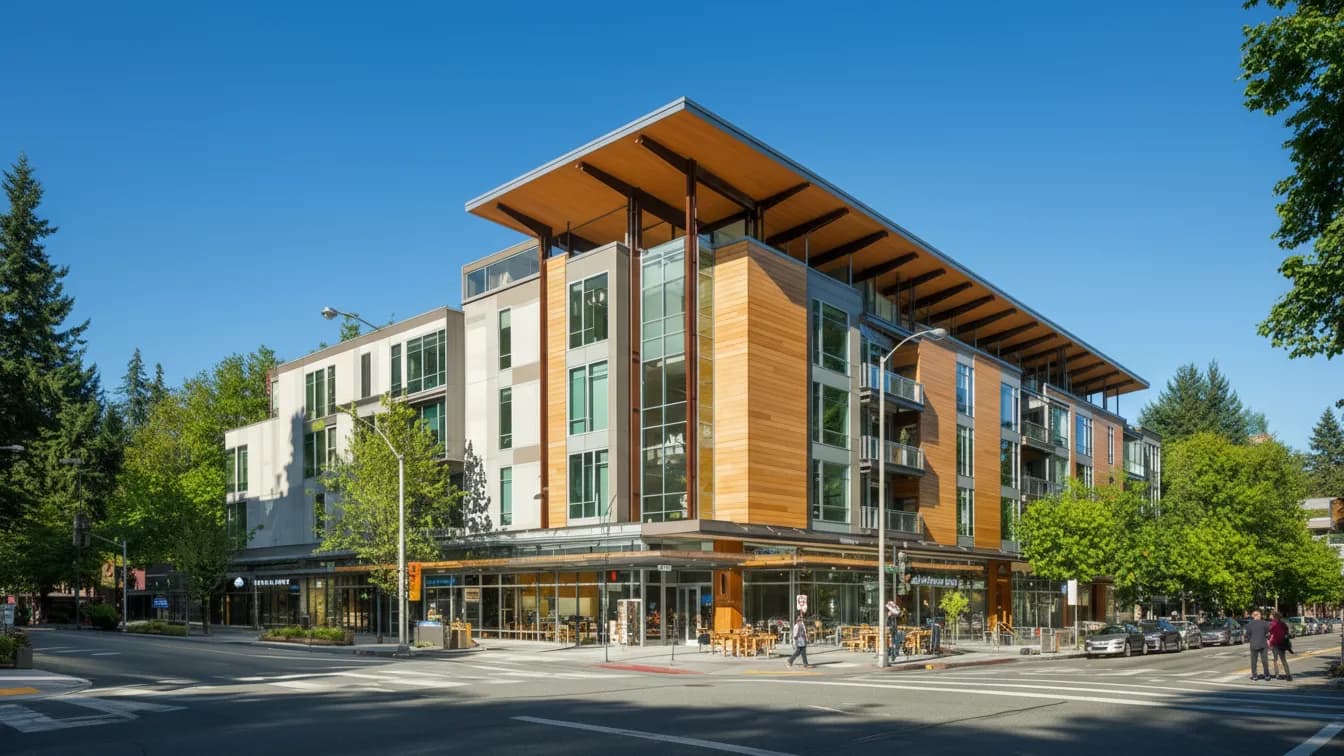
From 8-unit infill buildings to large mixed-use developments, we design multi-family projects that respond to site, market, and community.
Apartment Buildings
Mid-rise and low-rise apartment buildings designed for urban infill sites across the Bay Area. We work with market-rate and affordable housing developers to maximize unit count within zoning envelopes, optimize unit mix, and create buildings that pencil financially while delivering genuine livability. From 8-unit infill projects to 80+ unit developments.
Mixed-Use Developments
Ground-floor retail or commercial with residential above — the building type that makes Bay Area neighborhoods walkable and economically resilient. Mixed-use design requires careful attention to separate entries, fire-rated assemblies between occupancies, acoustic separation, parking allocation, and the distinct needs of commercial tenants and residents sharing one structure.
Townhomes & Condos
Fee-simple townhomes and condominium projects that offer ownership opportunities in a region where detached homes are increasingly out of reach. We design for-sale housing that balances private outdoor space, individual identity, and efficient site planning — with careful attention to CC&R implications, HOA common areas, and the California DRE requirements that govern condo sales.
Regulatory Landscape
Bay Area housing is a policy maze. We know the way through.
California housing policy is among the most complex in the nation. State mandates, local zoning, environmental law, and affordable housing requirements intersect on every project. Here's what shapes multi-family development in the Bay Area.
Zoning & Density Bonuses
California's density bonus law (Government Code 65915) allows developers to build 35-50% more units than base zoning permits in exchange for including affordable units. SB 9 (2022) enables lot splits and duplexes on single-family parcels statewide. SB 35 streamlines approvals for projects with affordable components in cities that haven't met their RHNA housing targets — which includes most Bay Area jurisdictions. We analyze every site for the maximum entitlement pathway, layering state and local incentives to unlock the highest feasible density.
Environmental Review (CEQA)
The California Environmental Quality Act requires environmental review for most multi-family projects that need discretionary approval. A full EIR can take 12-18 months and cost $150K-$500K+. But many housing projects qualify for statutory or categorical exemptions — infill exemptions (Class 32), SB 35 streamlining, or the housing sustainability district framework. We work with environmental consultants from day one to identify the fastest CEQA pathway and structure projects to qualify for exemptions wherever possible.
Affordable Housing Requirements
Most Bay Area cities impose inclusionary zoning requirements — typically 10-20% of units must be affordable to low- or moderate-income households. San Francisco requires 22% on-site affordable units for projects over 10 units. Oakland requires 15%. Some cities allow in-lieu fees as an alternative. The financial modeling of affordable units, area median income (AMI) tiers, and regulatory agreements is critical to project feasibility. We coordinate with housing consultants to structure unit mixes that satisfy inclusionary requirements without killing pro formas.
Community Engagement & Design Review
Multi-family projects in the Bay Area face intense community scrutiny. Neighborhood groups, design review boards, and planning commissions all weigh in — and opposition can add months or years to timelines. We design buildings that respond to neighborhood context, prepare compelling presentation materials, and participate in community meetings alongside our clients. Projects designed with genuine sensitivity to scale, materiality, and neighborhood character move through approvals faster and face less organized opposition.
Our Process
From site analysis to certificate of occupancy.
Multi-family projects demand a structured process that accounts for long entitlement timelines, multiple consultant disciplines, and evolving regulatory requirements.
Feasibility & Entitlement Strategy
2-4 weeksSite analysis, zoning review, density bonus calculations, CEQA pathway assessment, and preliminary unit count/mix. We evaluate whether SB 9, SB 35, density bonus, or standard entitlements offer the best path. Deliverable: feasibility memo with recommended entitlement strategy and preliminary pro forma inputs.
Schematic Design
6-10 weeksBuilding massing, site plan, unit layouts, parking strategy, and exterior design language. This phase establishes the project's density, unit mix, and architectural character. We test multiple configurations to optimize unit count, livability, and construction efficiency before locking in a direction.
Design Development & Construction Documents
12-20 weeksDetailed architectural drawings, structural coordination, MEP systems, Title 24 energy compliance, accessibility design, and interior finish specifications. Construction documents are produced to a level of detail that minimizes RFIs and change orders during construction. Coordinated with civil, landscape, structural, and MEP consultants.
Entitlements & Permitting
6-18 monthsThis is where Bay Area timelines diverge dramatically. Ministerial projects (SB 9, SB 35) can be approved in 60-90 days. Discretionary projects requiring planning commission approval, design review, or EIR certification can take 12-18+ months. We manage the full entitlement process: planning applications, CEQA documentation, design review presentations, and building permit submissions.
Construction Administration
Through completionSite visits, RFI responses, submittal reviews, change order evaluation, and substantial completion inspections. Multi-family construction typically runs 14-24 months depending on building size and construction type. We stay involved through certificate of occupancy to ensure the built result matches the design intent.
Multi-Family Portfolio
Recent multi-family projects.
A selection of multi-family and mixed-use housing projects designed by YCD Studio across the Bay Area.
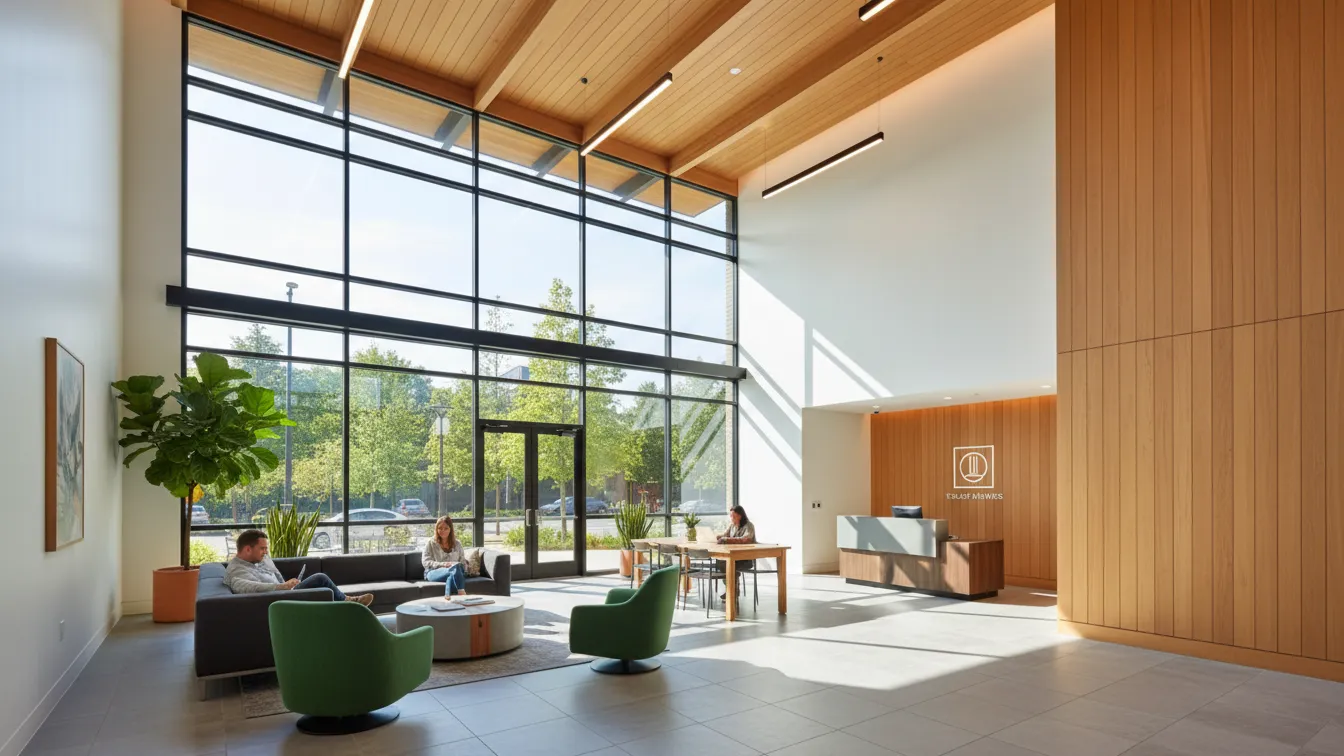
Neighborhood Commons
A community-oriented residential development designed to foster neighborhood connection through shared courtyards, ground-level gathering spaces, and a material palette that responds to the surrounding context.
View project details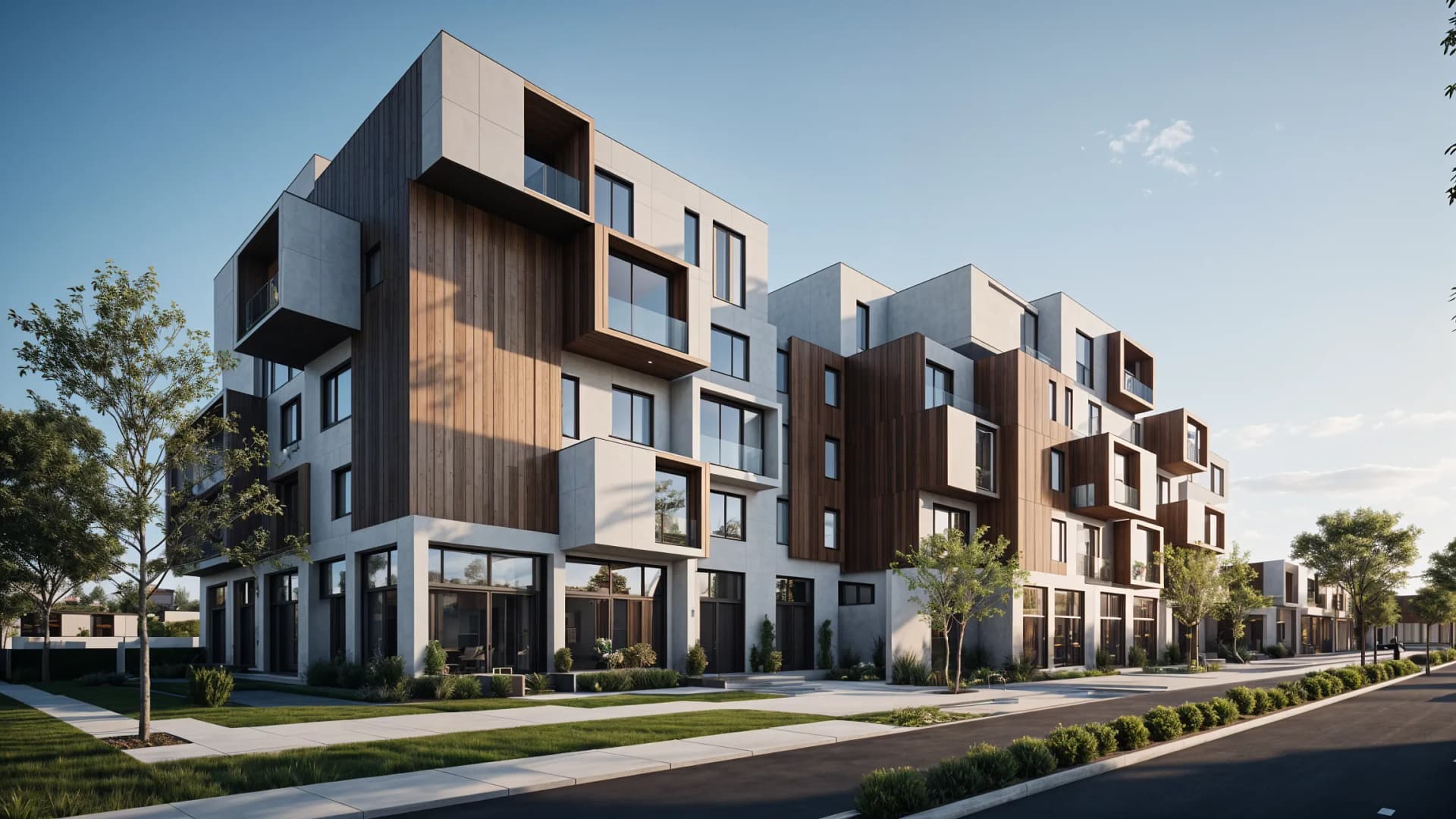
Pixel Heights
A contemporary mixed-use building combining ground-floor commercial space with residential units above. The design emphasizes vertical rhythm, generous balconies, and an articulated facade that breaks down the building's scale.
View project details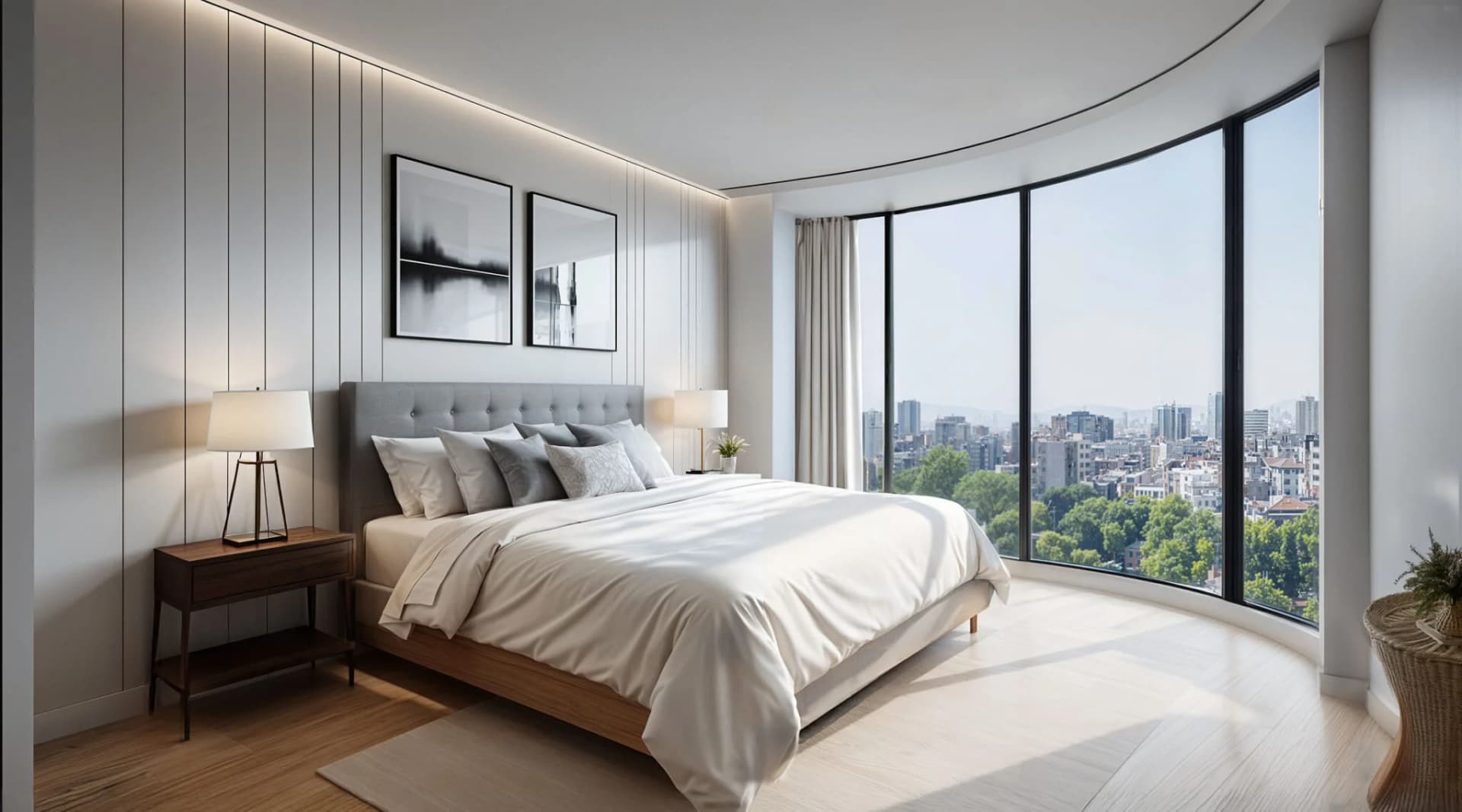
Aurora Residences
Modern apartment residences with a focus on natural light, cross-ventilation, and durable materials. The building steps back at upper floors to maintain neighborhood scale and maximize daylight to adjacent properties.
View project detailsFAQ
Common questions about multi-family development.
SB 9, density bonus, CEQA, and Bay Area entitlement timelines — answered for developers and property owners.
In most cases, yes. SB 9 (2022) allows lot splits and duplexes on single-family parcels statewide, bypassing most discretionary review. Eligibility requires the lot to not be in an environmentally sensitive area, the units to be at least 800 sq ft, and the owner to sign an owner-occupancy affidavit for 3 years. We analyze your lot for SB 9 feasibility and design accordingly.
California Government Code 65915 (density bonus) allows developers to build 35–50% more units than base zoning permits in exchange for including affordable units. Layering this with SB 35 streamlining and local incentives can dramatically increase project feasibility. We analyze every site for the maximum entitlement pathway and present options with realistic pro forma implications.
Most multi-family projects needing discretionary approval trigger CEQA (California Environmental Quality Act). A full EIR can take 12–18 months and cost $150K–$500K+. However, many housing projects qualify for statutory or categorical exemptions — infill exemptions (Class 32), SB 35 streamlining, or housing sustainability frameworks. We work with environmental consultants from day one to identify the fastest CEQA pathway.
Most Bay Area cities impose inclusionary zoning — typically 10–20% of units must be affordable to low- or moderate-income households. San Francisco requires 22% on-site affordable units for projects over 10 units. Oakland requires 15%. Some cities allow in-lieu fees as an alternative. We coordinate with housing consultants to structure unit mixes that satisfy inclusionary rules without killing pro formas.
This is where Bay Area timelines diverge dramatically. Ministerial projects (SB 9, SB 35) can be approved in 60–90 days. Discretionary projects requiring Planning Commission approval, design review, or EIR certification can take 12–18+ months. Community engagement adds time but reduces risk of project-killing opposition. We manage the full entitlement process — planning applications, CEQA documentation, design review, and permits.
Let's build housing the Bay Area needs.
Whether you're exploring a site's development potential, navigating entitlements, or ready to start design — we're here to help. Tell us about your project and we'll respond within 24 hours with an initial assessment.